Think first: creativity, critical thinking, and how AI really works.
 Register Interest
Classes launching soon · Be the first to hear
Register Interest
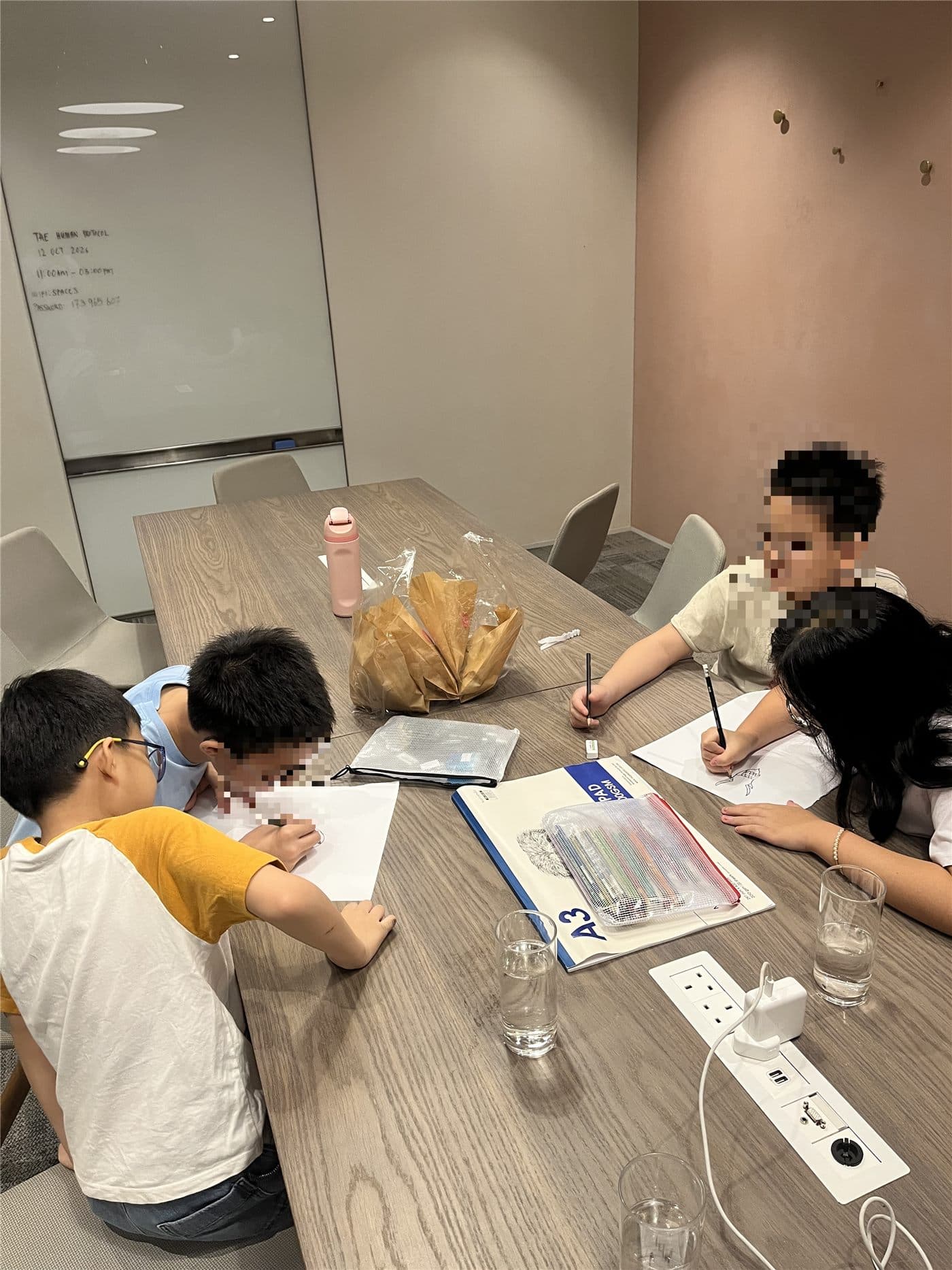
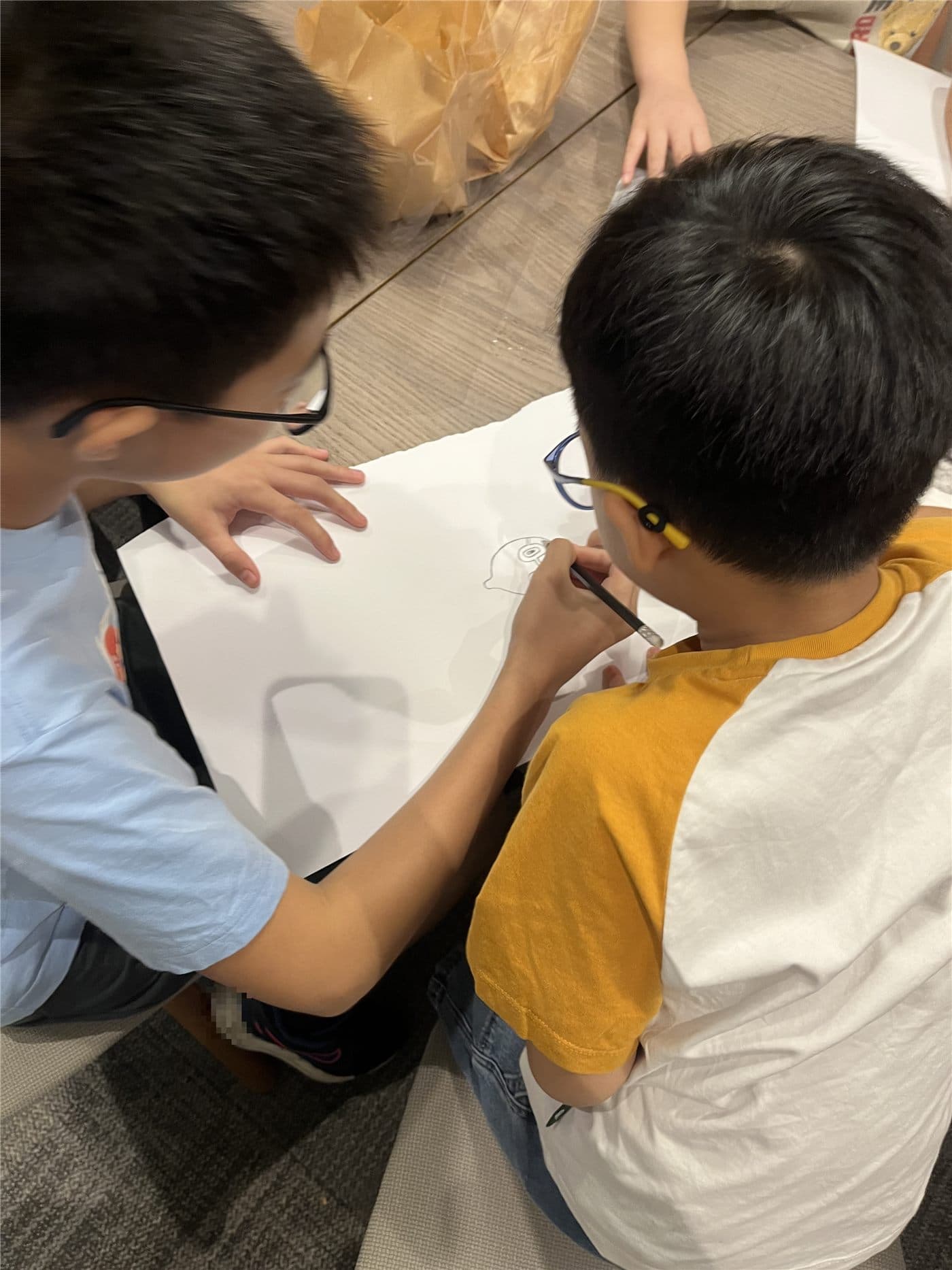
Kids act out scenes from books, invent new ones through improv, and design their own characters, then bring them to life with AI. They create first and prompt second, and learn what's really happening inside AI, including why it only seems to think.
 No coding needed to startHow AI really works, explained for kidsCritical thinking at every level


It was really fun and enjoyable. I really love how our drawings can become 3D.
I learnt how to be more specific when giving instructions to AI.
Drawings can become 3D using AI.
Level 1 welcomes ages 9 to 16, so a curious 9-year-old and a sceptical 15-year-old can learn side by side. Level 2 (ages 12–16) and Level 3 (ages 14–18) take students further, into digital production, programming and building real apps and games.
Register Interest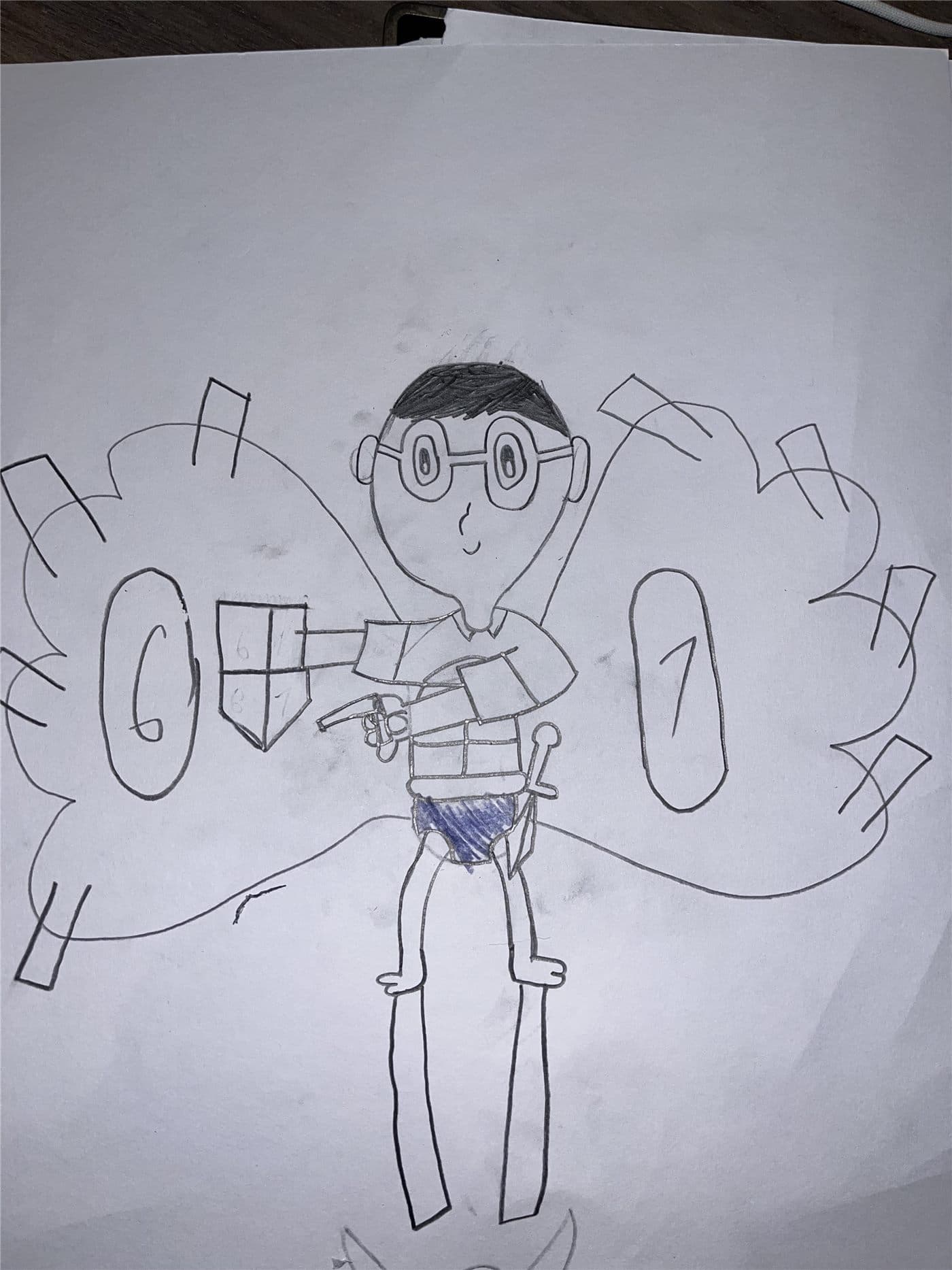 Register Interest
 Register Interest
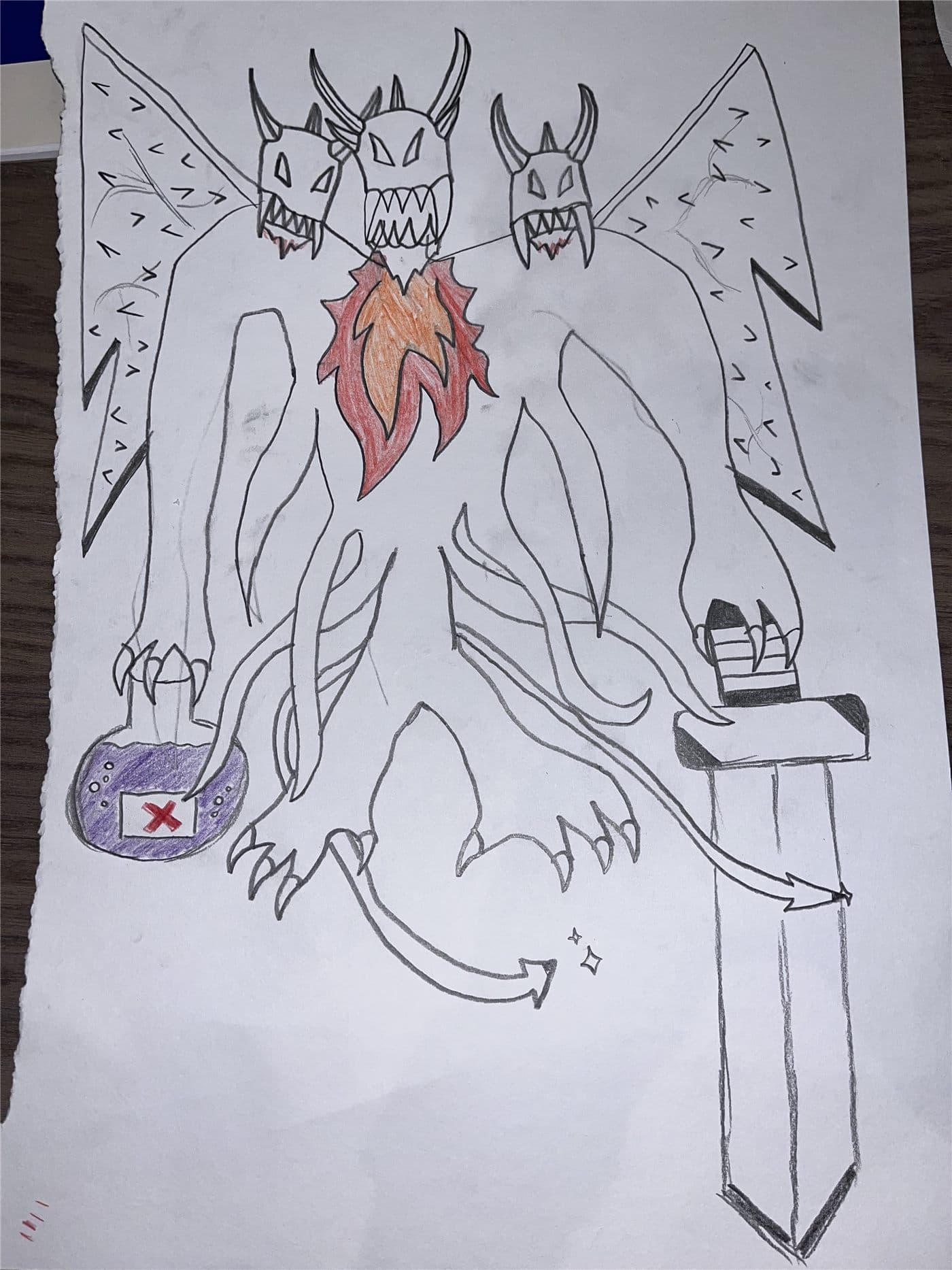
Students invented a story about a guardian protecting a child from a hungry monster, then designed both characters and brought them to life.

A protector students designed to keep an imaginary child safe. They drew it, decided how it thinks and speaks, and brought it to life with AI.

The guardian's hungry opponent, determined to eat the child. Making a convincing villain meant working out what it wants and how it tries to get past the guardian.
Guardian versus monster, with a child caught in the middle. Students wrote the story themselves, then used AI to help bring the scene to life, deciding for themselves what to keep.
That's exactly why we built this.
Read Our Story“My kid asks a chatbot before they ask themselves.”
“Is my child learning to use AI — or learning to think for themselves?”
“I don’t want another term-long class. Their week is already full.”
Kids imagine, question and create on their own first. AI comes in only once they have something worth building.
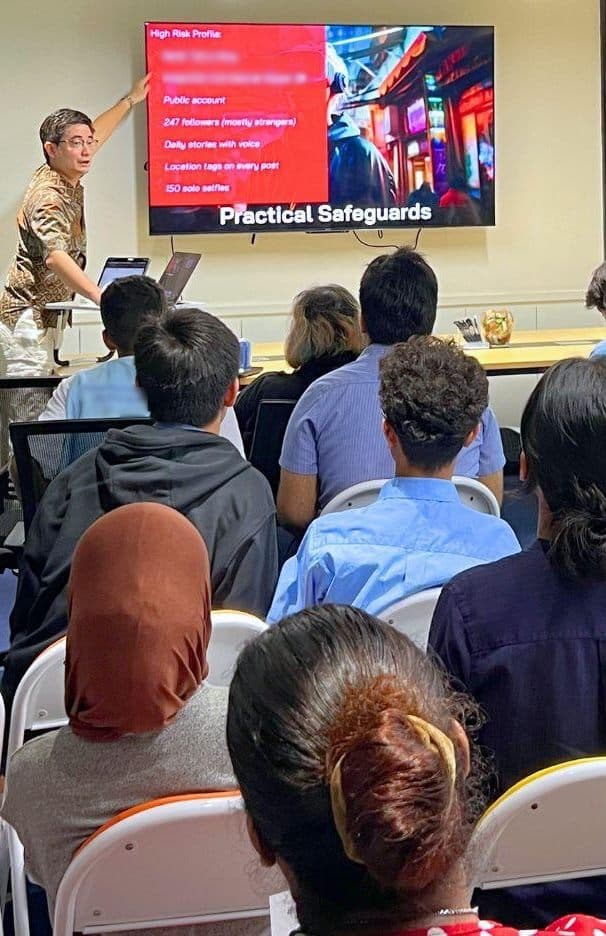
Graham designs and builds AI systems for the healthcare sector, legal teams and the government, so he knows what AI does well and where it falls short. That's why kids here think first and use AI second.

Books, acting, improv and handwriting sit alongside AI, not behind it.
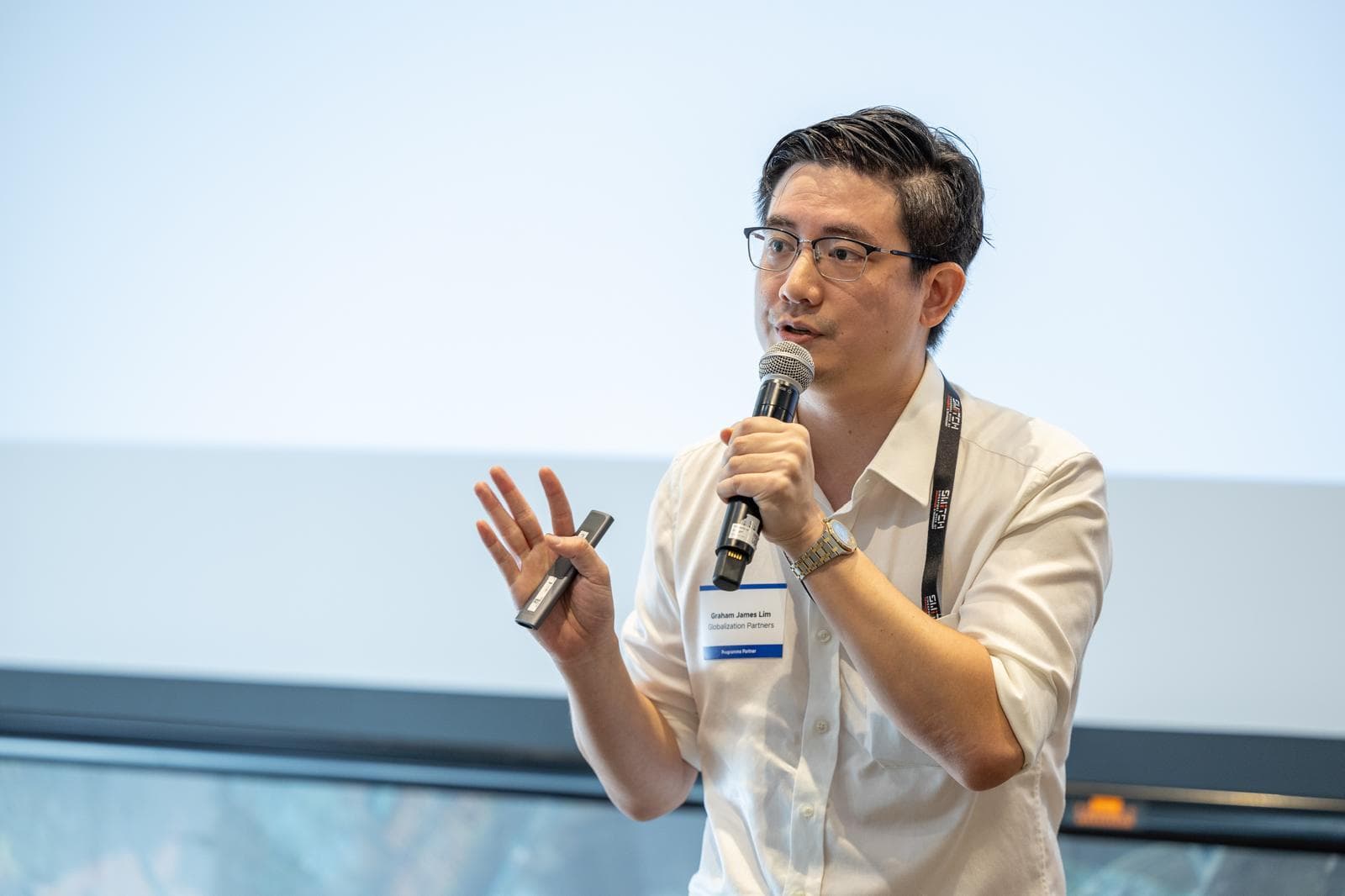
Graham Lim is a full-stack engineer and data scientist who builds AI for hospitals, legal teams and other regulated sectors, where getting it wrong really matters. He led the build for an AI system in a major hospital, and has trained university staff, government engineers and data scientists.
He has also taught AI safety at an international school, is trained in game development, and holds a law degree and an international data-privacy certification, so how students' information is handled is built in from the start. At The Human Protocol, he leads a curriculum that pairs the oldest ways of learning with a clear understanding of how AI really works.
Graham Lim
Co-Founder & Lead Trainer
No. Level 1 needs no coding at all. Programming principles are introduced at Level 2, and by Level 3 students are building full apps or games.
Each level has its own age range: Level 1 is for ages 9 to 16, Level 2 for 12 to 16, and Level 3 for 14 to 18. Each level builds on the one before.
We're finalising our first classes now, targeting December '26 to Jan '27. Register your interest and you'll be the first to hear when dates are announced.
Kids always create first. They invent the scenes, characters and projects, and write by hand before AI is involved, then compare its version with their own and decide what to keep. AI adds to their ideas; it never replaces them.
A team of educators with diverse backgrounds ranging from science, drama, law, engineering and psychology, led by Graham Lim, co-founder and lead trainer.
Classes where kids read, act, imagine and create, with AI as their tool. Launching soon.